
Safety Tips for Strapping Tools: Use Tensioners & Sealers
Introduction Strapping tool injuries happen fast and leave lasting damage. A tensioner that slips under load, a sealer jaw that closes unexpectedly, or a strap that recoils when cut—these aren’t rare events. Studies on warehouse safety incidents show that improper tensioning technique and uncontrolled strap release account for the majority of hand and eye injuries in packaging operations. Most of
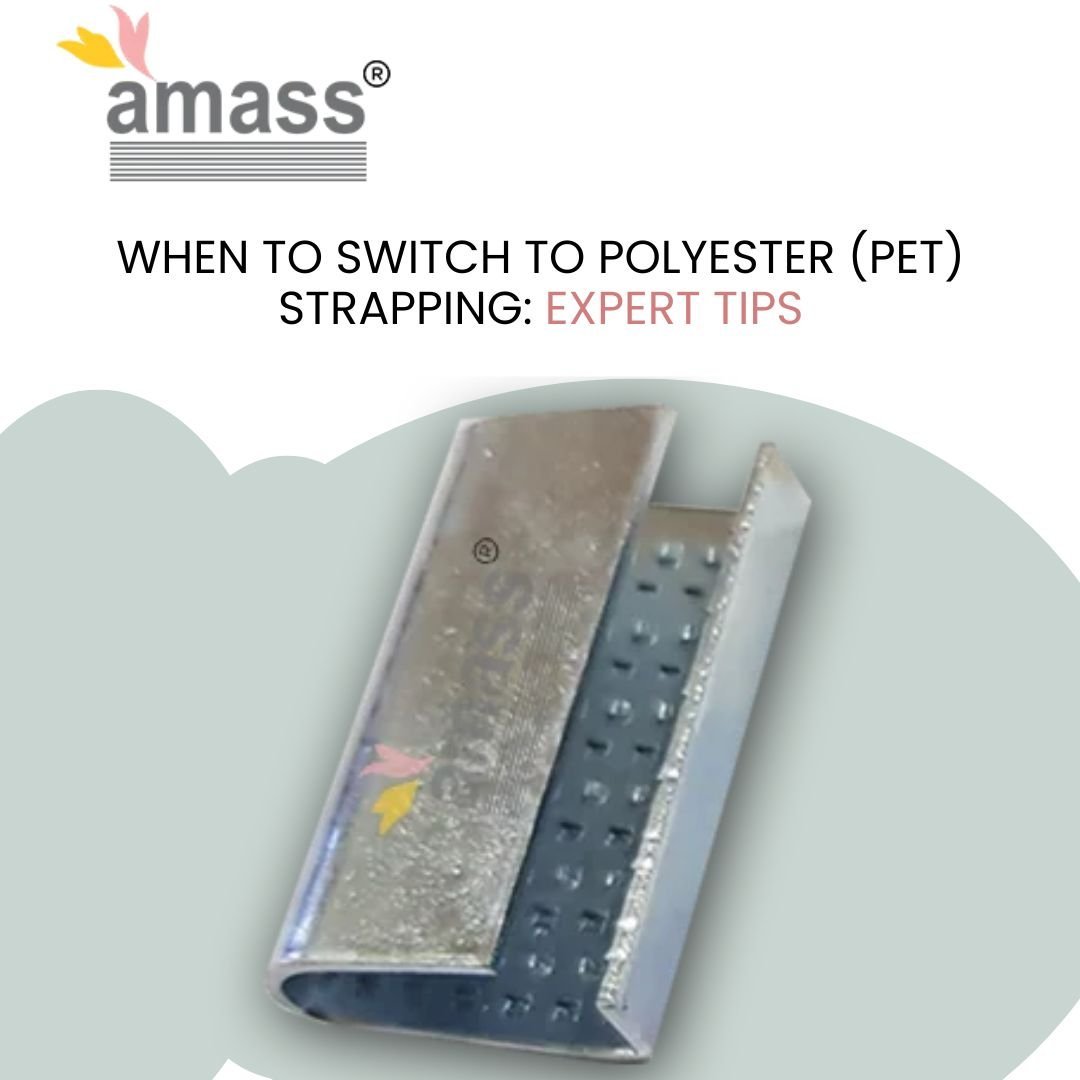
When to Switch to Polyester (PET) Strapping: Expert Tips
Many operations run steel or polypropylene strapping year after year without questioning whether it still makes sense. Meanwhile, injury logs show cuts and recoil incidents, rust stains damage finished goods, pallets arrive loose at customers, and per-load costs creep higher as tool maintenance piles up. Polyester (PET) strapping solves those problems with higher retained tension, better shock absorption, no corrosion,
When to Switch to Polyester (PET) Strapping: Expert Tips
Many operations run steel or polypropylene strapping year after year without questioning whether it still makes sense. Meanwhile, injury logs show cuts and recoil incidents, rust stains damage finished goods, pallets arrive loose at customers, and per-load costs creep higher as tool maintenance piles up. Polyester (PET) strapping solves those problems with higher retained tension, better shock absorption, no corrosion,
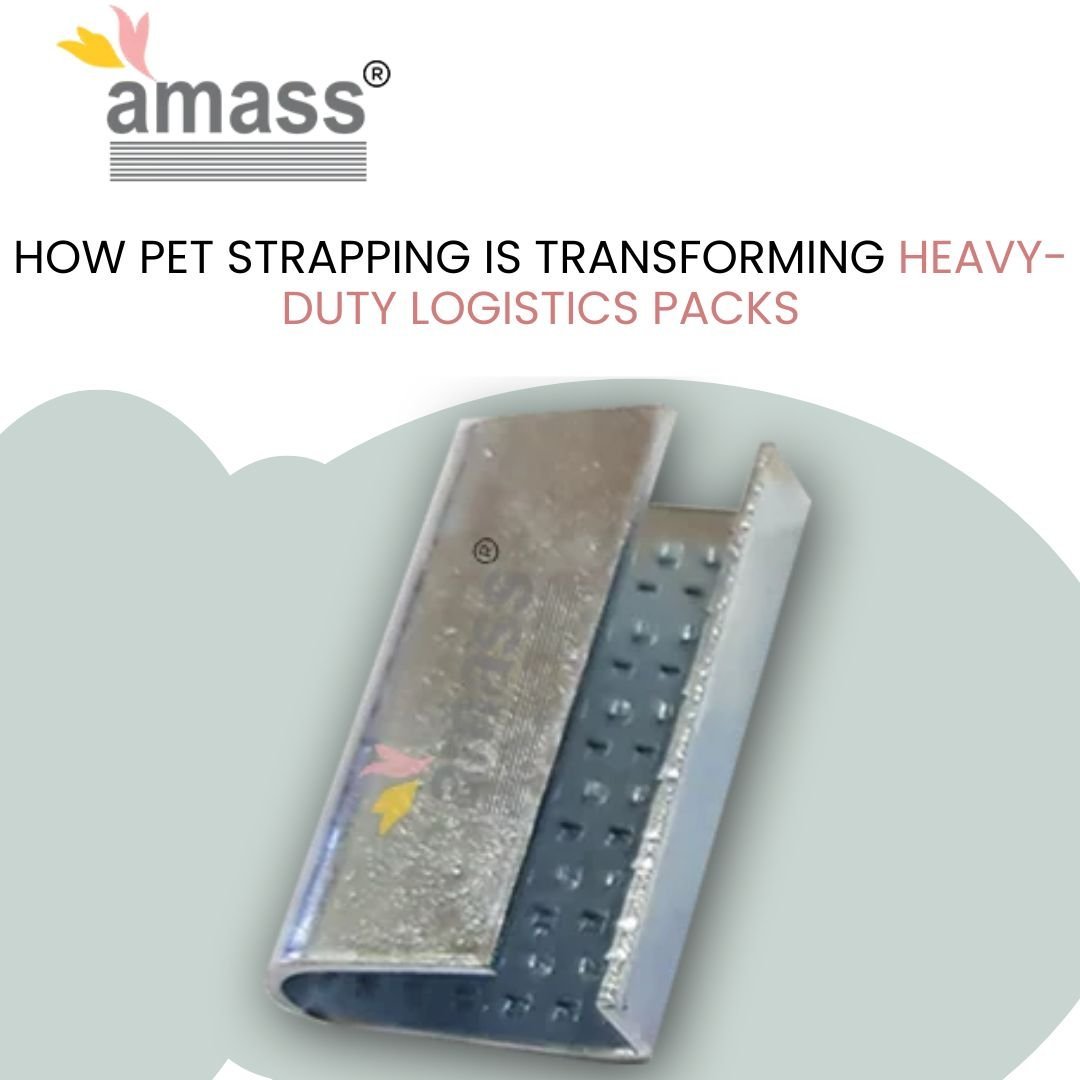
How PET Strapping is Transforming Heavy-Duty Logistics Packs
Introduction Steel strapping dominated heavy-duty logistics for decades because nothing else could handle the loads—until operators started counting the hidden costs. Rust damage on products, hand injuries from sharp edges, disposal headaches, and the sheer weight of steel inventory add up to expenses that most operations accept as inevitable. PET (polyester) strapping now delivers comparable or superior strength for heavy
How PET Strapping is Transforming Heavy-Duty Logistics Packs
Introduction Steel strapping dominated heavy-duty logistics for decades because nothing else could handle the loads—until operators started counting the hidden costs. Rust damage on products, hand injuries from sharp edges, disposal headaches, and the sheer weight of steel inventory add up to expenses that most operations accept as inevitable. PET (polyester) strapping now delivers comparable or superior strength for heavy
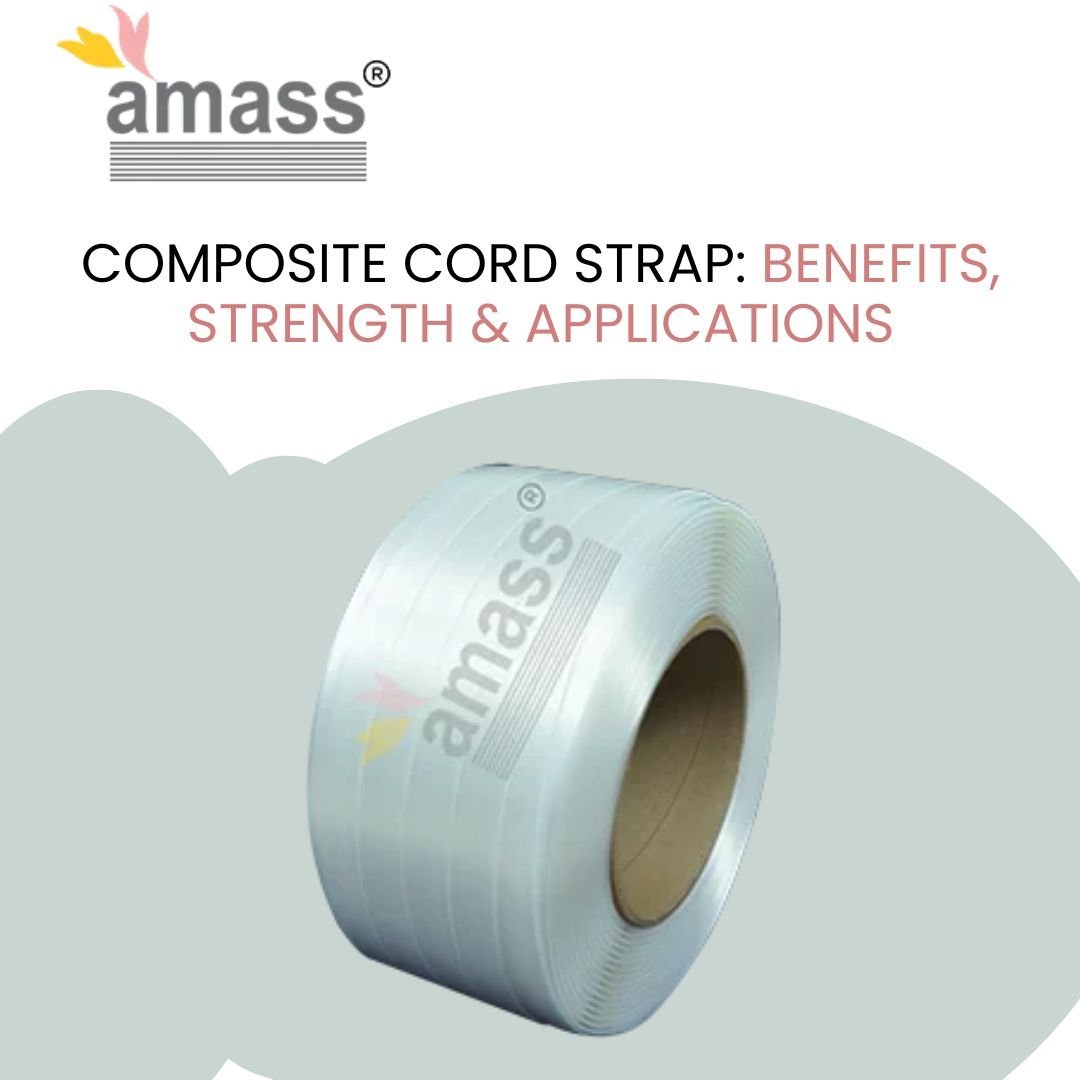
Composite Cord Strap: Benefits, Strength & Applications
Introduction Traditional steel strapping causes workplace injuries from sharp edges and violent recoil while adding unnecessary weight that increases freight costs and corrodes during maritime shipping. Composite cord strap eliminates these problems while delivering equivalent or superior strength—a 19mm cord strap achieves 900-1,100 kg system strength at one-fifth the weight of comparable steel. The polyester construction withstands temperatures from -30°C